

Virtual Ability’s 15th Annual Mental Health Symposium
“Pain”
Thursday June 25, 2026
Sojourner Auditorium, Virtual Ability Island In Second Life
http://maps.secondlife.com/secondlife/Virtual%20Ability/53/172/23
The 15th annual Mental Health Symposium took place on June 25, 2026. The theme of this year’s conference was “Pain”.
Mental health is a complex concept. It can be broadly divided into general well-being or clinical disorder. Pain is also a complex concept. It may be acute or chronic; caused within the nervous system or in body tissues; located at the source or referred.
There is an important bi-directional causal relationship between mental health and pain. Some disorders cause pain, and some pain causes mental health issues.
This Symposium explored the relationships among mental health and pain. It took place in the virtual world of Second Life, at the Sojourner Auditorium on Virtual Ability island. The conference was also live-streamed on YouTube.
The Virtual Ability community hosts this annual Symposium to share information about mental health and mental disabilities with the general population. Within our cross-disability community we have members who deal with a variety of mental health and pain issues. This an opportunity for our community members to learn more about topics related to mental health and pain from experts they probably would not have a chance to meet otherwise. It also allows the general public to attend a professional conference at no cost.
Here is the schedule for the conference.
Mental Health Symposium 2026 Schedule of Events
June 25, 2026. All times are in SLT/PDT.| Start Time | Presenter Name | Institution / Presenter Biography | Title of Talk | Transcript of Talk |
|---|---|---|---|---|
| 7:00 am | Dr. Min Zhuo  | University of Toronto Dr. Min Zhuo is a pain neuroscientist at the University of Toronto (Canada, Emeritus Professor), guest professor in Fujian Medical University (China) and Chief Scientist of Forevercheer Medicine. He has a wide range of research interests at the intersection of chronic pain and psychiatric diseases, applying a combination of genetic, electrophysiological, pharmacological and behavioral approaches. | Genetic and synaptic mechanisms for chronic pain and mood disorders The anterior cingulate cortex and insular cortex are key brain regions activated in both chronic pain and mood disorders. In this talk, I will first discuss our basic discoveries of two major forms of cortical plasticity that contribute to chronic pain and anxiety, focusing on the role of adenylyl cyclase subtype 1 (AC1). I will then share our efforts in developing NB001, a selective AC1 inhibitor, as a potential new medicine for treating chronic pain and mood disorders, including anxiety and PTSD. Finally, I will present recent findings on synaptic plasticity at the cortical network level and highlight their implications for the future treatment of brain diseases. | Zhuo Transcript |
| 8:30 am | Dr. Natalie Hellman  Dr. Andrew Sherrill 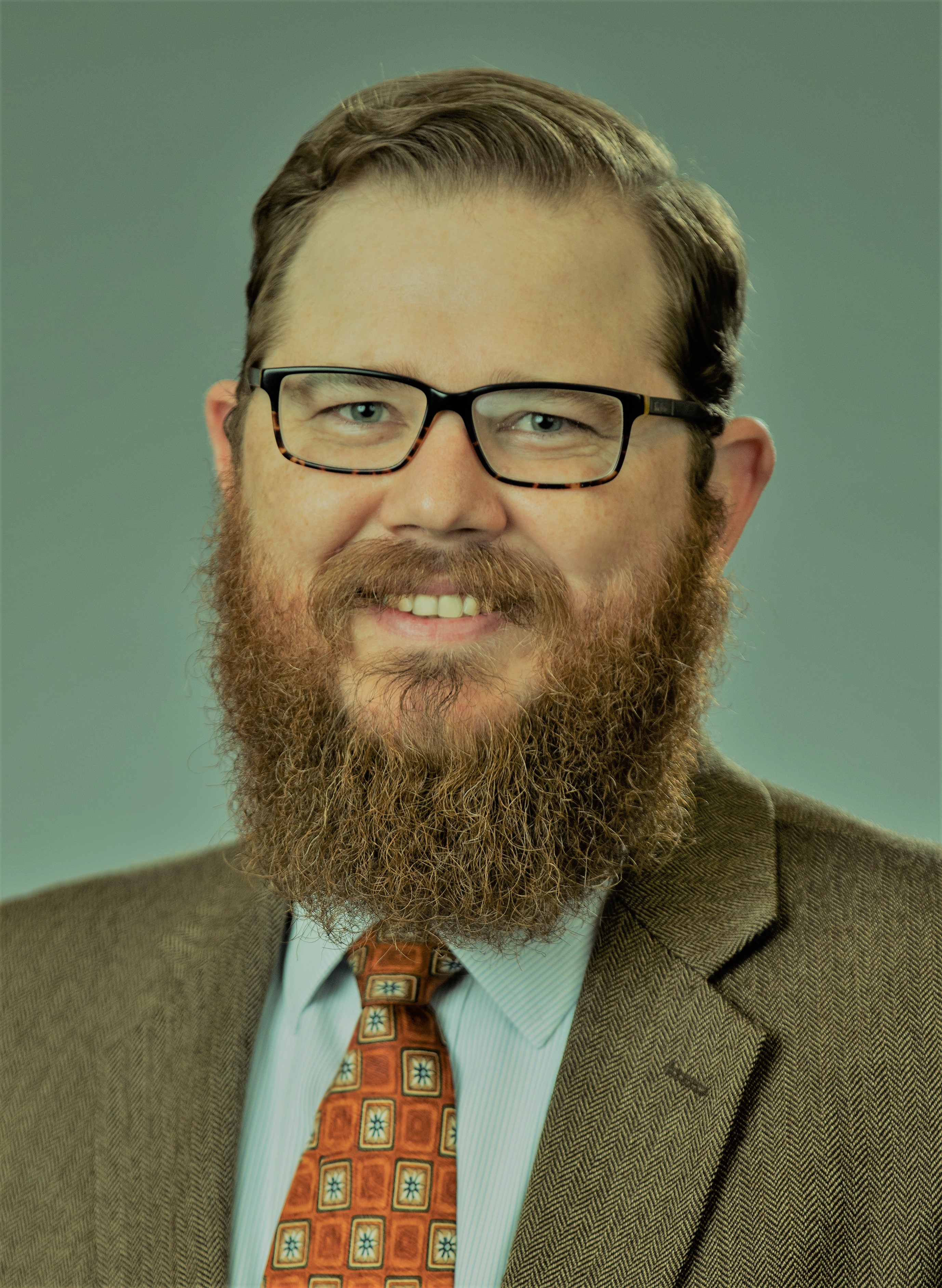 | University of South Carolina / Emory Natalie Hellman, Ph.D. is a clinical psychologist and the Director of Behavioral Health Science in Center for Family Medicine (Greer) in Prisma Health, and a Clinical Assistant Professor at the University of South Carolina School of Medicine at Greenville. Her work primarily focuses on researching pain and traumatic stress, spanning from the origins to interventions of both conditions. Andrew M. Sherrill, Ph.D., is a clinical psychologist and assistant professor in the Department of Psychiatry and Behavioral Sciences at Emory University School of Medicine. His work focuses on exposure-based therapies for trauma- and anxiety-related conditions and the integration of emerging technologies into evidence-based practices. | Approaching Emotion in Chronic Pain: What Happens When We Stop Avoiding? Many people living with chronic pain also find themselves avoiding difficult emotions, memories, activities, or situations connected to pain. In fact, many people with chronic pain suffer from mental health disorders, such as PTSD. This presentation will explore how healing and recovery may require gradually approaching, rather than constantly escaping, painful internal experiences. Drs. Natalie Hellman and Andrew Sherrill will discuss how fear, avoidance, emotion and meaning-making can shape the pain and PTSD experience, and how learning to safely engage with these experiences may open opportunities for greater flexibility, functioning, and quality of life. | Hellman and Sherrill Transcript |
| 10:00 am | Dr. Mihir Gupta 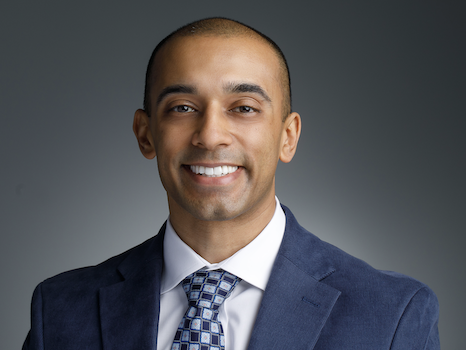 Dr. Renato Polimanti 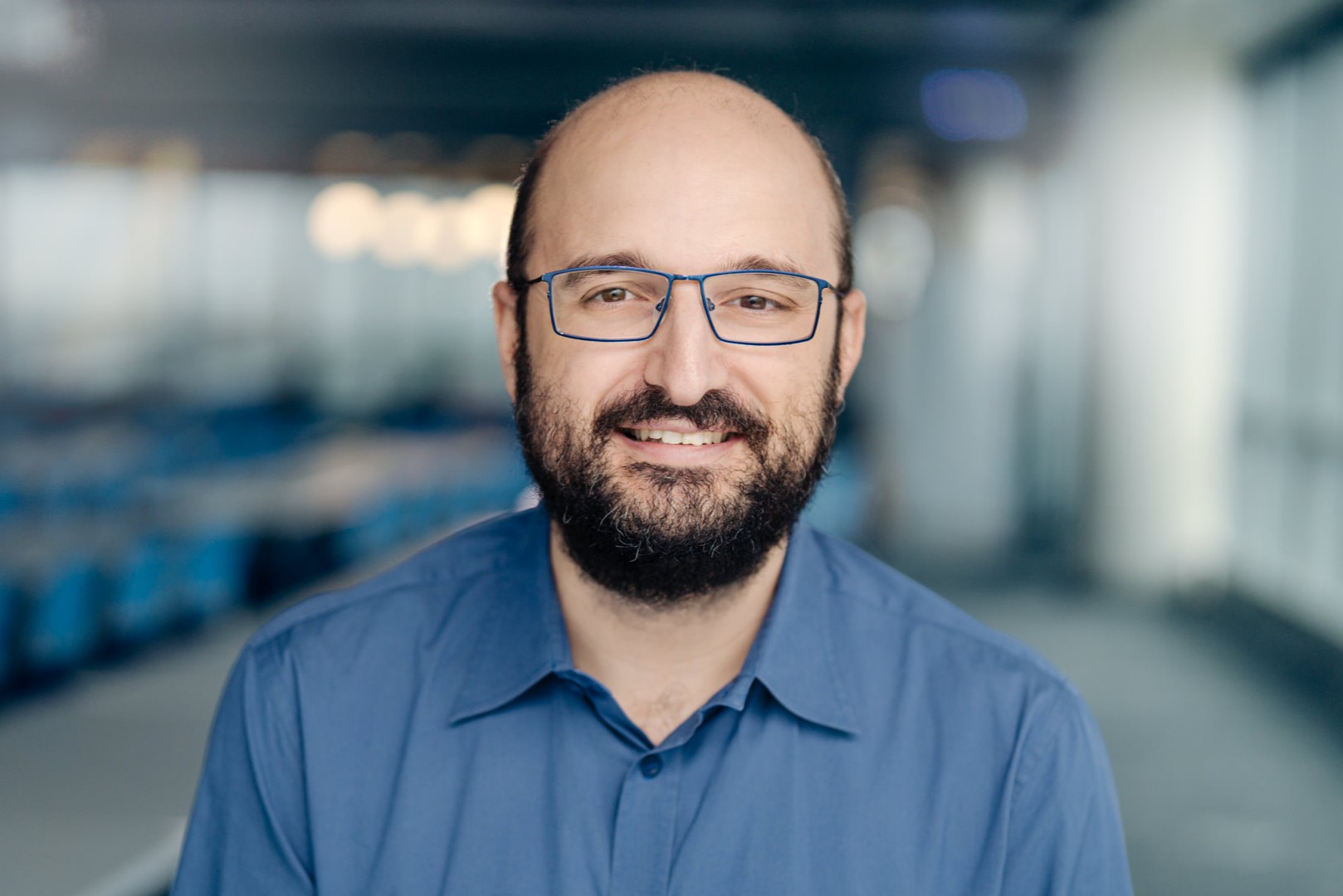 | Yale Mihir Gupta, MD, is an Assistant Professor of Neurosurgery at Yale University. As a practicing spine surgeon and neurosurgeon, he treats a variety of degenerative, neoplastic, traumatic and other spinal pathologies, as well as traumatic brain injury. His research interests include developing novel approaches to the diagnosis and treatment of neurologic conditions. He completed his medical degree at Stanford University, where he was a Howard Hughes Medical Institute research fellow. He completed his neurosurgical residency training at UC San Diego, postdoctoral studies at Massachusetts General Hospital, and fellowship training in spinal surgery at Johns Hopkins. Dr. Renato Polimanti is Associate Professor of Psychiatry and of Biomedical Informatics and Data Science at the Yale School of Medicine and Associate Professor of Chronic Disease Epidemiology at the Yale School of Public Health. Dr. Polimanti’s primary research interest is to apply big data analytics to molecular, clinical, and imaging data to understand the biology and the epidemiology of human traits and disease and to develop tools to improve the healthcare of diverse population groups. | Understanding the Comorbidities Among Psychiatric Disorders, Chronic Low Back Pain, and Spinal Degenerative Disease Using Observational and Genetically Informed Analyses Psychiatric disorders and symptoms are associated with differences in pain perception and sensitivity, with implications in treating spinal degenerative disease (SDD) and chronic low back pain (CLBP). We will describe our large-scale international study showing that both direct effects and shared biology link psychiatric disorders to SDD and CLBP, and the therapeutic implications of these findings. | Gupta and Polimanti Transcript |
| 11:30 am | Panel Discussion | Panel Discussion Moderator: Dr. Susan Toth-Cohen Panelist: Dr. Simon Bignell Panelist: Dr. Marjorie Newman Panelist: Rose Hill Panelist: Shyla the Super Gecko Panelist: Carla Heartsong | Pain and Mental Health Three professionals and two persons living with pain and mental health issues will discuss their understanding of the relationships between the two conditions, and positive ways of dealing with them both. | Panel Transcript |
| 1:00 pm | Dr. Pamela Villela  | Washington University - St. Louis Dr. Pamela Romero Villela is a statistical geneticist and postdoctoral scholar at Washington University in St. Louis School of Medicine (WashU). She is currently funded under a prestigious National Institutes of Health fellowship (T90/R90) for the interdisciplinary study of chronic pain. In this role, she studies the genetic factors influencing chronic pain and why chronic pain often co-occurs with other health conditions, specializing on the comorbidity between chronic pain and addiction. In the future, Dr. Villela plans to also investigate how diet choices (e.g., ultra processed foods) neurologically resemble traditional substances of abuse (e.g., alcohol) and their effects on chronic disease. | Everything, Everywhere, All at Once: How Genetics Helps Explain the High Co-occurrence of Chronic Pain with Other Mental and Physical Health Disorders Dr. Villela will present on her latest work identifying genetic variants associated with chronic pain, and on the genetic relationships between chronic pain and other mental and physical health disorders that frequently co-occur with chronic pain. | Villela Transcript |
| 2:30 pm | Dr. Jillian Miller  | University of Calgary Dr. Jillian Vinall Miller is a Developmental Neuroscientist in the Department of Anesthesiology, Perioperative & Pain Medicine at the University of Calgary. She leads the Pediatric Anesthesia, Imaging & Neurodevelopmental Science (a.k.a. PAINS) lab at the Alberta Children's Hospital. She is committed to exploring mechanisms and factors underlying the development of chronic pain with the goal of optimizing long-term outcomes for individuals and their families. | Pain and mental health during and after pregnancy and its associations with child brain and behavioral development One in four individuals will be affected by chronic pain at some point across their lifespan. Globally, chronic pain is the leading cause of years lived with disability. 70% of chronic pain patients identify as female. However, pain specifically during pregnancy is not well understood. Moreover, little is known about the impacts of pain during pregnancy and the postpartum on both the parent and child. This presentation will present data examining patterns of maternal pain during and after pregnancy and its relationships with parental mental health, child brain development and child socioemotional outcomes. | Miller Transcript |
| 4:00 pm | Rose Hill | Crisis Connections Rose Hill, MLIS, CPC, SUDP-T, is a Certified Peer Counselor with a focus in trauma and crisis counseling. She is in her final year of a Master’s in Clinical Mental Health Counseling graduate program. She has extensive professional and lived experience with a wide range of therapy modalities with specialized training in relational therapy, somatic therapy, existential therapy, psychotherapy, CBT, DBT, EMDR, and crisis intervention. She is currently an OUD specialist at Crisis Connections in Seattle, WA | When Loneliness Leads to AI: Pain and Untested Technology Chronic and invisible pain creates a unique kind of loneliness. This presentation traces the path from pain to isolation to the loneliness that naturally leads to using technology for socialization. When another person is on the other side of the screen, technology is building genuine community. But increasingly, this loneliness may be creating the conditions that leave this marginalized group more vulnerable to developing an emotional attachment to AI. This presentation will discuss what the consequences of that reliance may be through the lens of clinical mental health ethics. | Hill Transcript |